What Are Time Zones? A Complete Guide to World Time
From the Earth’s rotation to UTC offsets, learn why different parts of the world have different times and how to compare them easily.
Why the World Needs Time Zones
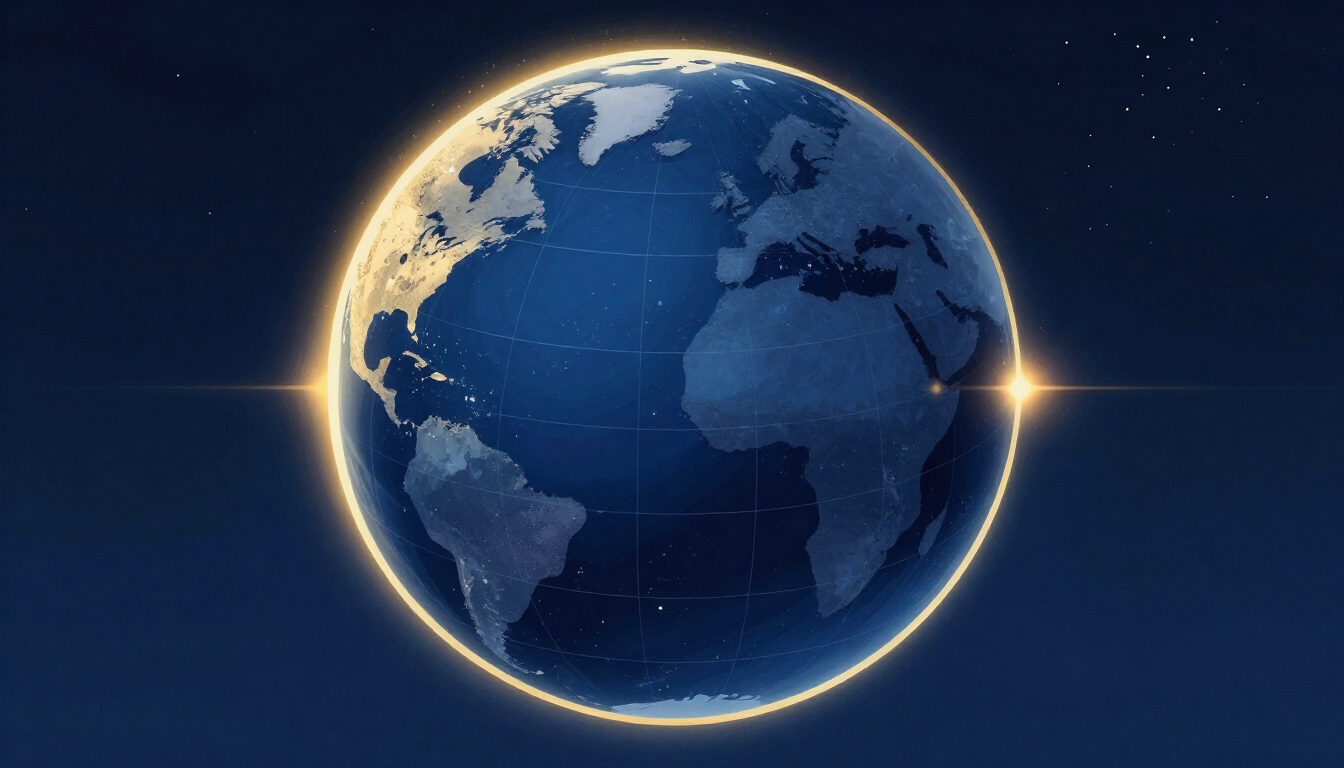
The Earth rotates constantly, so while one place enjoys midday, another may still be in darkness. To keep local clocks roughly aligned with the position of the sun, different parts of the world adopted different standard times.
Time zones are usually expressed as an offset from Coordinated Universal Time (UTC). For example, UTC+8 is eight hours ahead of UTC, while UTC−5 is five hours behind UTC.
Time Zones Are Not Just Straight Lines on a Map
In theory, time zones relate to longitude, but actual boundaries also consider countries, regions, and social arrangements. Some places use half-hour or 45-minute offsets, and certain regions adjust their clocks during the year.
When comparing two cities, the most reliable approach is to choose a specific date and city rather than memorizing a fixed time difference. WorldTimeCentral’s converter accounts for both local rules and daylight saving time.
A Simple Example
Suppose one location uses UTC+8 and another uses UTC+1. When both offsets remain unchanged, the former is seven hours ahead of the latter. When crossing midnight, remember to check the date as well.
Put it into practice
Ready to check world time?
Pick cities and a date to easily compare times across time zones.
Open the time zone converter